
Maneki-neko: What the Beckoning Cat Actually Means
The waving cat in the shop window is a coded message — and which paw is raised changes what it is asking for.
It is beckoning, not waving
The maneki-neko (招き猫, 'beckoning cat') is not waving hello. It is performing the Japanese gesture for come here — palm out, fingers folded downward — which to many Western eyes reads as a wave. The cat is calling something toward the owner.
It is Japanese, not Chinese, and appears to date from the Edo period, becoming widespread in the nineteenth century.
Which paw is raised
Left paw raised invites people — customers, guests, footfall. Traditionally favoured by businesses that need a crowd: bars, restaurants, shops.
Right paw raised invites money and good fortune. Favoured where the goal is wealth rather than volume.
Both paws raised is read as protection, or as asking for both at once. Some consider it greedy or overreaching; the objection is a matter of taste rather than doctrine.
A raised paw held higher is sometimes said to call luck from further away.
What the colours mean
Calico (white with orange and black) is the classic and considered luckiest — partly because the calico pattern is genuinely uncommon in males, making it a rarity. White is purity and happiness. Black wards off evil and, in some readings, is protective for women. Gold calls wealth. Red is associated with protection from illness. Pink, a modern addition, is for love.
What it is holding
Many figures hold a koban, an Edo-period gold coin, often marked with a value of ten million ryō — a deliberately absurd sum, in the spirit of a novelty lottery cheque. Others wear a collar and bell, echoing the way well-kept Edo house cats were adorned.
The origin stories
There is no single agreed origin. The most-told version concerns Gōtoku-ji temple in Tokyo: a feudal lord shelters under a tree in a storm, sees the temple cat beckoning him inside, moves — and lightning strikes the tree he had been standing beneath. In gratitude he endows the impoverished temple. Gōtoku-ji today is covered in thousands of white beckoning cats left by visitors.
Competing claims exist, including one attached to Imado Shrine involving an old woman who sold cat figures on her cat's advice. Treat all of these as folklore explaining an existing custom rather than documented history.
In the game
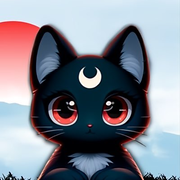
TSUKI: Nine Lives takes this history literally: you play Tsuki, a black cat marked by the moon, chasing the stolen moonlight across seven worlds while Orochi — the serpent that swallows the moon, the eclipse told as a monster — waits beneath the earth.
Keep Reading
You've read the codex. Now live it.
▶ PLAY AS THE BLACK CAT — TSUKI: NINE LIVESFree in your browser · 7 worlds · 63 levels · no install